
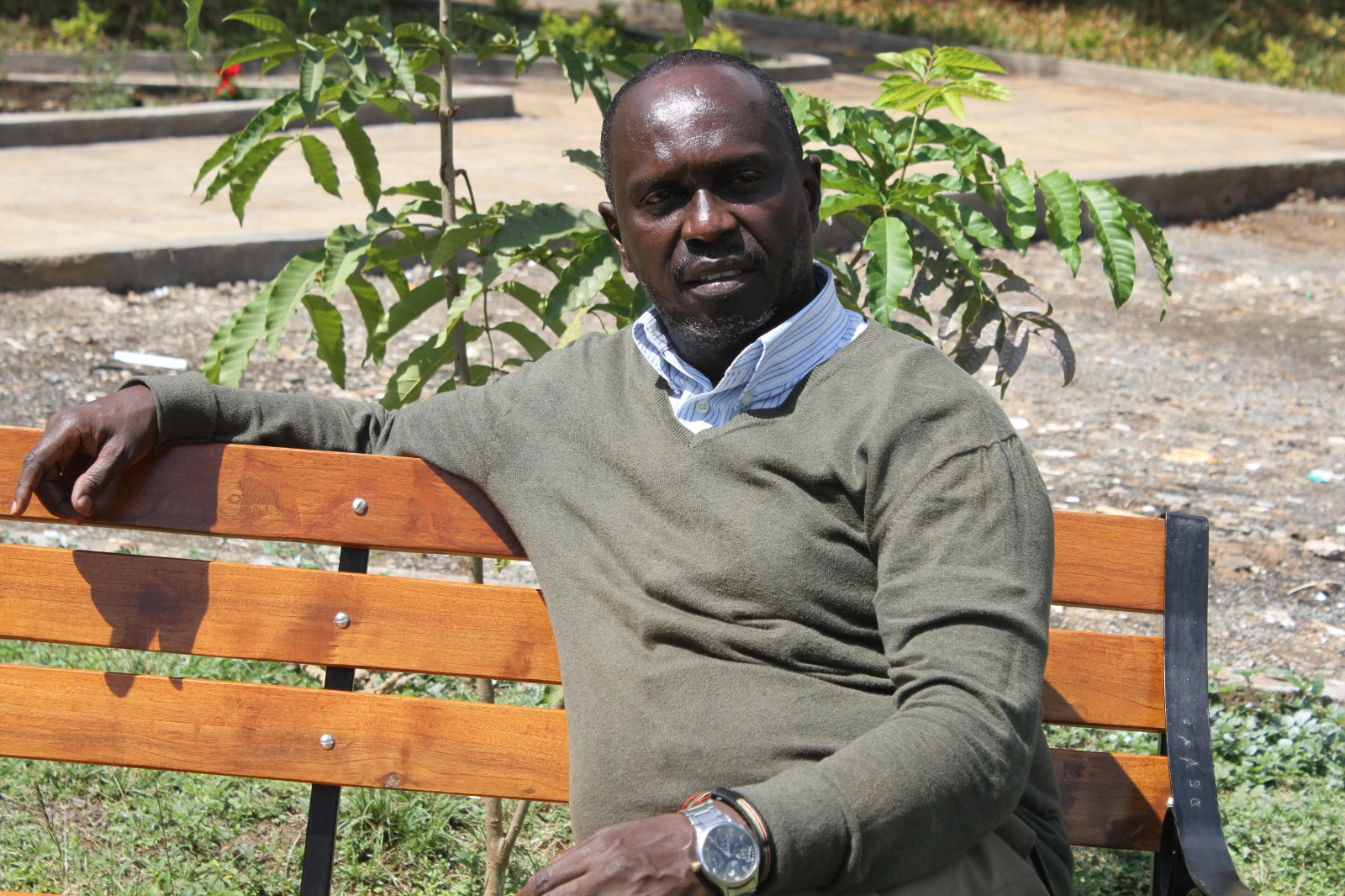

Tourism remains one of Kenya’s most powerful engines of foreign exchange earnings — yet many of its opportunities remain underexplored by both investors and local visitors. We sat down with Joseph Muthami Kithyaka — widely known in the industry as JM Kithyaka or simply “JMK” — a seasoned executive with over 30 years of experience spanning hospitality management, public relations, and business development across East Africa. In this conversation, JMK breaks down Kenya’s tourism landscape, its key attractions, and the industry players who make it all work.
Q: For those who may not know you, who is JM Kithyaka?
JMK: My name is Joseph — Joe to most people — but I am known in the industry, and particularly in the tourism sector, as JMK. The J stands for Joe, M for Muthami, and K is short for Kithyaka. Anyone who has worked with me or come across my work in this space will recognise me by that name.
Q: Why tourism? What makes it such a significant sector for Kenya?
JMK: Tourism is one of Kenya’s highest-earning foreign exchange sectors. When you look at the sheer diversity of attractions this country offers, you begin to appreciate why it draws visitors from across the globe — and why it should command far greater attention from local investors and policymakers alike.
Q: Walk us through Kenya’s main tourism attractions. What does the country actually have to offer?
JMK: Kenya’s tourism offering is remarkably diverse. Let me break it down:
Beaches and Waterfront Destinations The Indian Ocean coastline is perhaps our most iconic beach destination. We are talking about Mombasa Island, the South Coast, Kilifi, Malindi, and Lamu. But what many people overlook is that Kenya has inland beach experiences as well. Lake Victoria — particularly around Kisumu and Homa Bay — is fast emerging as a credible beach tourism destination. And then there is Lake Turkana in the north, which is also developing as a frontier beach destination. Kenya is not just a coastal country; our lakes offer equally compelling waterfront experiences.
Wildlife and Game Reserves Wildlife tourism is what puts Kenya on the international map. The Maasai Mara is our flagship, but it is far from our only asset. We have Samburu, Lake Nakuru, Lake Naivasha, and the Nairobi National Park — uniquely positioned as the only game reserve in the world located within a capital city. Beyond these, there are numerous smaller reserves spread across different counties, which represent significant untapped investment potential.
Cultural and Heritage Sites Kenya’s cultural diversity — our many communities, traditions, and histories — is itself a tourism product. Fort Jesus in Mombasa is a UNESCO World Heritage Site and one of our most visited historic landmarks. Across the country, there are heritage and historical sites that tell Kenya’s rich story and attract culturally motivated travellers.
Conferencing and MICE Tourism Kenya has earned a strong reputation as East Africa’s premier conferencing destination. The Kenyatta International Convention Centre (KICC) in Nairobi is a landmark facility, and there are growing conference facilities in Mombasa, Naivasha, and other counties. This is a serious and growing investment opportunity for both public and private sector actors.
Sports Tourism Kenya punches above its weight in sport — particularly athletics. We are home to some of the world’s greatest long-distance and middle-distance runners, and this draws international sporting enthusiasts and media to the country. Golf tourism is also significant; Kenya hosts major international golf tournaments and has world-class golf courses. Sports tourism is an underrated pillar of our sector.
Ecotourism and Adventure Mount Kenya and Mount Longonot offer world-class climbing experiences. Across the country, adventure tourism products — zip-lining, white-water rafting, hot air ballooning, and nature trails — are growing. Ecotourism, which connects visitors directly with natural ecosystems and wildlife in their habitats, is both a responsible tourism model and a highly attractive one for the modern traveller.
Q: If you had to summarise Kenya’s tourism offering in a few categories, how would you frame it?
JMK: In summary, Kenya’s tourism sits across four core pillars:
- Beach and Wildlife Tourism — our most established and internationally recognised offering
- Cultural Tourism — driven by our ethnic diversity, heritage sites, and living traditions
- Sports Tourism — anchored by athletics and golf, with growing potential
- Ecotourism — connecting visitors with Kenya’s extraordinary natural ecosystems
Each pillar has room to grow. Each presents investment and entrepreneurial opportunity. And each benefits when Kenyans themselves become active participants as domestic tourists — particularly during the low season.
Q: Who are the key players that make the tourism industry function? Who should aspiring entrepreneurs understand?
JMK: The two most important operational players in the tourism value chain are the travel agent and the tour operator — and it is worth understanding the distinction.
A travel agent is the architect of the travel experience. They organise where a client is going, where they will stay, how they will be transported, and what they will do — either for Kenyans travelling abroad or for international visitors coming into the country. They are the entry point of the tourism experience.
A tour operator, on the other hand, receives the visitor once they arrive and manages the actual experience on the ground — taking them through the attractions, coordinating logistics, and ensuring the trip delivers on its promise.
And within the tour operator’s structure, you have the tour guide — the person who travels directly with the visitor, explains the attractions, answers questions, and is ultimately the human face of Kenya’s tourism product. The tour guide is employed by the tour operator but is arguably the most important person in terms of the visitor’s lasting impression of the country.
Closing Reflection
Kenya’s tourism sector is not merely a leisure industry — it is an economic infrastructure. From the investor exploring conferencing facilities in Naivasha, to the entrepreneur developing eco-lodges near community conservancies, to the county government unlocking the potential of a little-known cultural site — the opportunities are significant and the timing is right.
As JMK puts it: “I would encourage our local market to visit these places — especially in the low season.” Domestic tourism is not an afterthought. It is the foundation on which a resilient tourism economy is built.
Joseph Muthami Kithyaka (JMK) is the Managing Consultant and Director of The Communication Link, Nairobi. With over 30 years of experience in hospitality, public relations, and business development across East Africa, he brings a practitioner’s lens to Kenya’s most strategic sectors.
Watch the full interview on YouTube: [Insight with JM Kithyaka – Tourism Episode]
For business advisory and communications consulting, contact The Communication Link: 📧 jmkith2007@gmail.com | 📞 +254 722 726 74
